Summer in Pune doesn’t just turn the city into a furnace for people — it turns cars into pressure cookers on wheels. If you’ve ever stepped into your car after it’s been parked under the sun, you know that scorching sensation of heat that hits your skin before you even start the engine.
This isn’t just uncomfortable; excessive heat affects your vehicle’s performance, longevity, fuel economy and safety in serious ways. Just like we prep our homes to deal with extreme temperatures, cars need proactive care to stay cool and run smoothly through the peak heat months.
In this article, we’ll walk through comprehensive summer car care tailored to Pune’s unique climate — from engine protection and cooling systems to interior care and smart driving habits.
Understanding Pune’s Summer Climate
Pune’s summers are long, dry and dry-hot. From March to June, temperatures regularly climb above 35°C, with occasional spikes near 42°C in April and May. The combination of bright sunshine for most of the day and high ambient temperatures puts additional stress on vehicles — especially those parked outdoors without shade. This prolonged heat creates cumulative wear on critical components like the battery, tires, engine, transmission, fluids and interior materials.
This isn’t just mild discomfort; it’s a test of endurance for your vehicle’s mechanical systems. Heat can accelerate oil breakdown, damage rubber seals and plastics, sap battery performance and undermine your car’s structural integrity over time. Without proper preventive measures, the Pune summer can shorten your car’s lifespan and lead to costly repairs.
Why Summer Car Care is Non-Negotiable
Here’s the thing: most drivers treat car health as reactive rather than proactive. They notice a problem — engine overheating, cracked dashboard, fading paint — and only then think about maintenance. But that’s like waiting for a fever before buying a thermometer. In Pune’s heat, prevention doesn’t just save money; it preserves reliability, comfort and even your safety on the road.
High temperatures can cause engines to overheat, A/C systems to lag and tires to fail unexpectedly — especially under load on Pune’s busy roads. Fuel efficiency drops, parts wear out faster and the risk of breakdown increases. Taking time to prepare your vehicle before peak heat hits isn’t a luxury — it’s essential for stress-free summer driving.
The Core Challenges Pune Summer Poses to Cars
Summer heat doesn’t affect cars in a single way; it attacks many systems simultaneously. Here’s what you’re up against:
Extreme External Heat Stress
Metal and plastic components expand in extreme heat. Prolonged exposure can weaken joints, fasteners and hoses. More critically, engine components run hotter for longer periods, increasing the risk of overheating.
Interior Damage and UV Exposure
Rubber, vinyl and leather interiors are vulnerable to UV rays. Dashboards can crack, seat fabrics fade and steering wheels become scorching hot to touch. Constant sun exposure accelerates material degradation — which is costly to restore.
Increased Cooling System Load
Your car’s cooling system (radiator, coolant, hoses, thermostat) works overtime in hot seasons. If it’s already weak or neglected, summer quickly exposes these weaknesses through overheating, fluctuating temperature gauges or A/C failure.
Understanding these challenges helps you make targeted care decisions — instead of guessing what might go wrong.
Preparing Your Vehicle Before Summer Hits
Preparation is your first line of defense. Think of a summer car check like a health check: the sooner you catch a problem, the easier and cheaper it is to fix.
Full Vehicle Inspection Checklist
Start with a comprehensive pre-summer inspection. This includes:
Engine belts and hoses
Fluid levels (oil, brake, transmission, coolant)
Radiator and coolant condition
Tire tread and pressure
Battery terminals and charge condition
A/C system performance
Exterior lights and electricals
Jot down any strange noises, smells or handling issues — these are early warning signs.
Fluids: Engine Oil, Coolant & Brake Fluid
Fluids are your car’s lifeblood and heat speeds up their deterioration. Engine oil loses viscosity faster in high temperatures, meaning it doesn’t lubricate as effectively. Coolant protects your engine from boiling and freezing — but old coolant loses its strength. Check these levels and top up or replace as needed.
Brake fluid also absorbs moisture over time, reducing braking efficiency — especially dangerous in hot conditions where stopping power matters most.
Battery Health Check
Heat doesn’t just affect car parts — it drains batteries faster by increasing internal corrosion. Batteries older than three years should be tested professionally before summer peaks. Clean any corrosion at terminals, ensure tight connections and check the charge level.
Protecting Your Car from Heat Damage
Shielding your vehicle from direct sunlight reduces the internal temperature by up to 20 degrees — which isn’t just comfortable, it protects your car’s skin.
Car Shades and Window Tints
Solar reflectors and premium window tints significantly lower cabin temperature. Tinting not only creates a cooler interior but also blocks harmful UV rays that fade upholstery and damage skin. Pune has legal tint limits, so always choose compliant films that maximize heat rejection without violating rules.
Ceramic Coating for Surface Protection
Think of ceramic coating like sunscreen for your car. It enhances paint gloss while offering UV protection and reducing oxidation. Unlike wax, ceramic bond lasts longer and holds up better against extreme heat, dust and pollution — all common in Pune’s atmosphere.
Paint Protection Film (PPF)
PPF is a durable, transparent layer applied to your car’s exterior. It guards against rock chips, bird droppings, heat oxidation and minor scratches. While pricier than wax or coating alone, it’s worth the investment for preserving resale value and maintaining a like-new finish.
Cooling System Optimization
Your cooling system is the heart of heat management. If this fails, the engine overheats — and roadside breakdowns follow.
Radiator and Coolant Examination
Check the radiator for leaks, blockages or corrosion. Coolant should not be rusty or sludgy; it must be clean and at the correct concentration ratio. A 50/50 water-antifreeze mix offers optimal boiling point protection for high temperatures.
Thermostat and Hoses
The thermostat regulates coolant flow. A failing thermostat can cause uneven heat distribution, leading to hotspots or overheating. Inspect hoses for cracks or bulges — heat accelerates rubber degradation.
A/C System Deep Check
Your A/C unit isn’t just for comfort; it removes humidity and keeps your engine load balanced. A professional A/C service ensures refrigerant levels are optimal and the compressor works efficiently under stress.
Engine and Transmission Under High Temperatures
Engine Oil Grades and Heat Tolerance
High heat demands high-performance engine oil. Synthetic oils maintain stability better than conventional ones, protect against thermal breakdown and reduce engine wear. Always refer to your manufacturer’s recommended grade — often higher viscosity is beneficial in summer.
Transmission Fluid
Just like engine oil, transmission fluid loses efficiency faster in heat. Slipping gears and hard shifts signal old or burnt fluid. A fluid change before summer peaks is a simple preventive step.
Driving Tips to Avoid Overheating
Avoid prolonged idling in hot sun; stop-start traffic heats the engine faster. If the temperature gauge rises toward red, pull over safely and allow cooling — don’t blast the heater hoping to draw heat away (this doesn’t help in extreme conditions).
Tires and Suspension in Hot Weather
Tire Pressure Fluctuations
Heat causes air expansion — which means tire pressure can rise quickly during a hot day. Overinflated tires reduce contact patch grip and wear unevenly. Check pressure in the morning before driving and adjust according to the car manual.
Tire Wear and Heat
Excessive heat accelerates tread wear and increases the risk of blowouts. Invest in quality tires with heat-resistant compounds and inspect them regularly for bulges, cuts or bald spots.
Suspension System Stress
Heat doesn’t just affect tires — suspension fluids and bushes dry out quicker. Regular checks keep ride comfort and handling sharp even on Pune’s rougher routes.
Interior Care and Comfort
Seat Covers and Dashboard Protection
Seat covers protect against sweat, heat fading and material cracking. A dashboard cover absorbs sunlight and prevents direct heat stress on plastics.
Steering Wheel and Pedal Comfort
Steering wheels and pedals absorb heat quickly. Consider covers or sun shades that reflect heat to protect your palms and feet from burns after long parking.
Floor Mats and UV Damage
High-quality mats reflect heat and protect against road dust and sweat stains. Rubber mats are easier to clean, while carpet mats offer plush comfort — choose based on your lifestyle.
Car Wash and Detailing for Summer
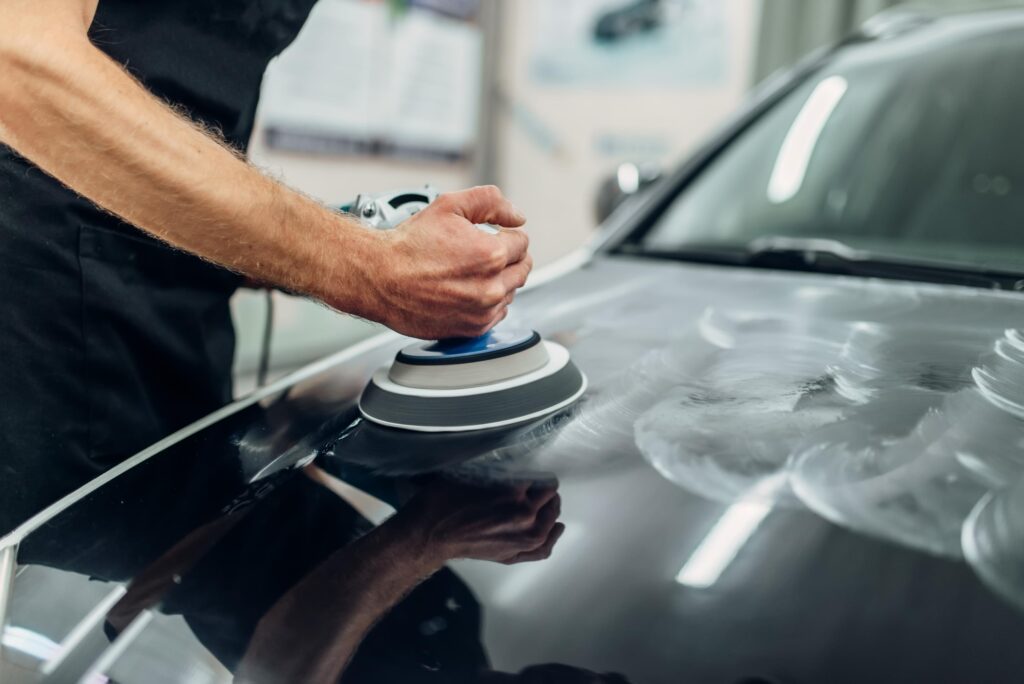
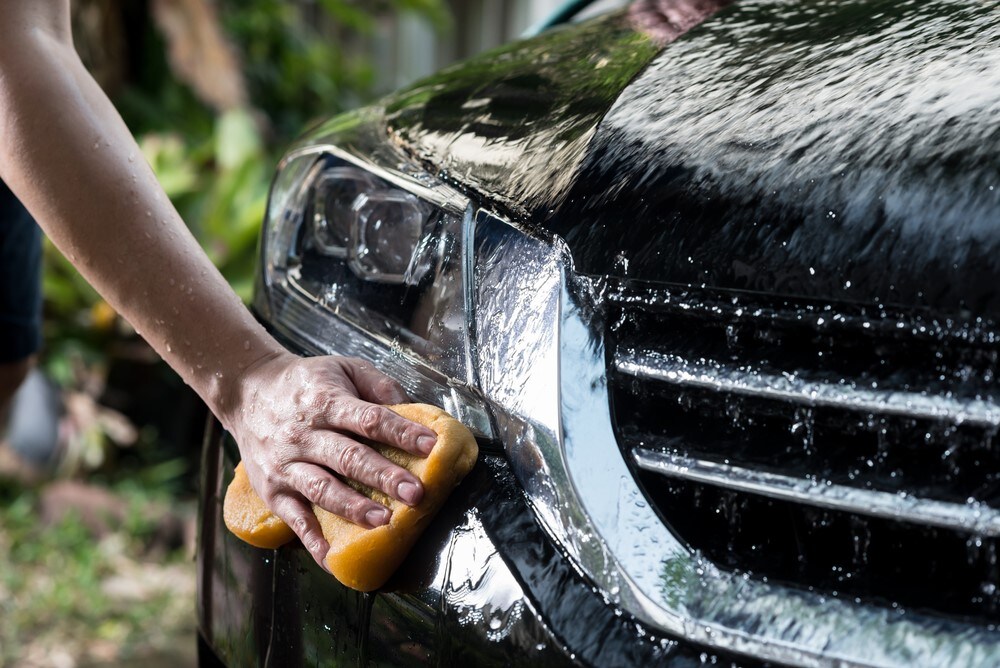
Regular washing removes dust, grime and heat-activated pollutants that dull your car’s finish. Use a pH-balanced shampoo and finish with wax or sealant to add a protective layer. Deep detailing can remove micro-scratches caused by intense dry dust storms common in Pune summers.
Fuel Efficiency in High Heat
Summer heat affects petrol volatility and increases air conditioning load, reducing fuel efficiency. Refuel during cooler parts of the day (early morning or late evening) to reduce evaporation losses. Keep your tank at least half full to avoid vapor lock issues.
Smart Driving Tips for Pune Heat
Park in shade or under covers.
Use sunshades even for short parking.
Start A/C on recirculate mode for faster cooling.
Avoid heavy acceleration immediately after start.
Drive smooth to reduce engine load.
Maintenance Mistakes to Avoid
Ignoring A/C smells, postponing fluid changes, skipping battery checks and overlooking tire pressure adjustments are common mistakes. These small oversights can turn into costly repairs under extreme heat.
Summer Emergency Roadside Kit
Include:
Extra coolant
Water bottles
Tire inflator and pressure gauge
Jump cables
Ice packs
Portable fan
This kit can save hours of roadside hassle.
When to Visit a Professional Mechanic
If you notice:
Overheating indicators
Strange engine noises
A/C underperformance
Battery weakness
Professional diagnosis and service are worth the investment.
Cost-Effective Summer Car Care
Prevention saves money. Routine checks and protective products cost less than major repairs. Investing in ceramic coating or tints now reduces repainting or interior replacements later.
Long-Term Effects of Neglecting Summer Care
Ignoring summer maintenance accelerates engine wear, reduces resale value, and shortens component life. It also increases breakdown risks and compromises safety in emergencies.
Encouraging Regular Seasonal Maintenance
Treating summer car care as part of your seasonal routine keeps your car reliable, efficient and comfortable year after year. Create a checklist and calendar reminders — your future self (and wallet) will thank you.
Conclusion
Summer in Pune isn’t just hot — it’s relentless. Your car battles sun, dust, heat and heavy road usage every single day. But with mindful preparation, protection strategies and smart driving habits, you can keep your vehicle cool, comfortable and performing at its best throughout the season. Summer car care isn’t about luxury — it’s about responsibility, safety and smarter ownership.
FAQs
1. How often should I check my car’s cooling system in Pune summer?
Ideally monthly, especially before long drives.
2. Does window tinting really reduce interior temperatures?
Yes — quality tints significantly cut heat and UV rays.
3. Should I change my engine oil specifically for summer?
Consult your manual; often a higher heat-tolerant grade helps.
4. Can driving with open windows reduce A/C load?
At low speeds, yes — but at highway speeds, it increases drag and fuel use.
5. What’s the biggest mistake car owners make in summer?
Ignoring tyre pressure fluctuations and cooling system checks.