Introduction to Automotive Paint Defects
Your car’s paint isn’t just about looks. It’s the first line of defense against the environment. Still, no matter how careful you are, paint defects appear over time. Swirl marks, scratches and oxidation are the most common culprits that slowly steal your car’s shine.
Think of your car’s paint like human skin. Without care, it ages, dulls and shows marks of daily life. The good news? Once you understand these defects, dealing with them becomes much easier.
Why Car Paint Gets Damaged Over Time
Paint damage doesn’t happen overnight. It’s a slow process influenced by many everyday factors.
Environmental Factors
Sunlight, pollution, acid rain, bird droppings and hard water stains constantly attack your car’s clear coat. UV rays are especially brutal, breaking down paint molecules over time.
Poor Washing Practices
Using dirty cloths, old sponges or roadside car washes is like rubbing sandpaper on your paint. It may look clean, but microscopic damage builds up fast.
Daily Wear and Tear
Parking in tight spaces, brushing against bushes, careless door openings and even dust wiping contribute to paint damage.
What Are Swirl Marks?
Swirl marks are fine, circular scratches visible under sunlight or bright lights. They look like spider webs on your paint surface.
How Swirl Marks Are Formed
They usually come from:
-
Improper hand washing
-
Automated car washes
-
Dirty microfiber towels
-
Dry wiping dusty surfaces
Each time you wash incorrectly, tiny scratches form in circular motions.
How to Identify Swirl Marks
Park your car in direct sunlight or shine a torch at an angle. If you see circular patterns, you’re looking at swirl marks.
The Real Impact of Swirl Marks on Your Car
Swirl marks may seem minor, but they:
-
Reduce gloss and clarity
-
Make the paint look old
-
Lower resale value
-
Hide the true color depth
Over time, they multiply and become harder to ignore.
Understanding Car Scratches
Scratches are more serious than swirl marks and vary in depth.
Types of Scratches
Clear Coat Scratches
These affect only the top clear coat layer. They’re usually light and fixable with polishing.
Base Coat Scratches
These go deeper and expose the color layer. They often need paint correction.
Deep Paint Scratches
These reach the metal surface and may cause rust if ignored.
Common Causes of Scratches
-
Keys, rings and fingernails
-
Road debris
-
Tight parking spaces
-
Improper wiping
-
Pets jumping on the car
Even careful owners can’t avoid all of them.
What Is Paint Oxidation?
Oxidation happens when paint reacts with oxygen due to prolonged sun exposure. The clear coat breaks down, making paint look chalky and faded.
Why Oxidation Happens
-
Lack of protection
-
Constant sun exposure
-
No waxing or coating
-
Aging paint
Early Signs of Oxidation
-
Dull finish
-
Rough surface
-
Loss of color depth
-
White residue on dark cars
How Oxidation Affects Car Appearance and Value
Oxidized paint makes even a well-maintained car look neglected. It drastically reduces resale value and signals long-term neglect to buyers.
Difference Between Swirl Marks, Scratches and Oxidation
| Defect | Depth | Visibility | Fix Difficulty |
|---|---|---|---|
| Swirl Marks | Very shallow | Under light | Easy |
| Scratches | Medium to deep | Always visible | Moderate |
| Oxidation | Surface breakdown | Dull finish | Advanced |
Each defect needs a different solution.
How Professionals Diagnose Paint Defects
Detailing experts use:
-
Paint depth gauges
-
Specialized lighting
-
Test polishing spots
This ensures safe correction without damaging the clear coat.
Can You Fix Paint Defects at Home?
Minor swirl marks? Maybe. Deep scratches or oxidation? Not recommended. DIY attempts often worsen the damage due to lack of tools and experience.
Professional Solutions for Paint Defects
Paint Correction
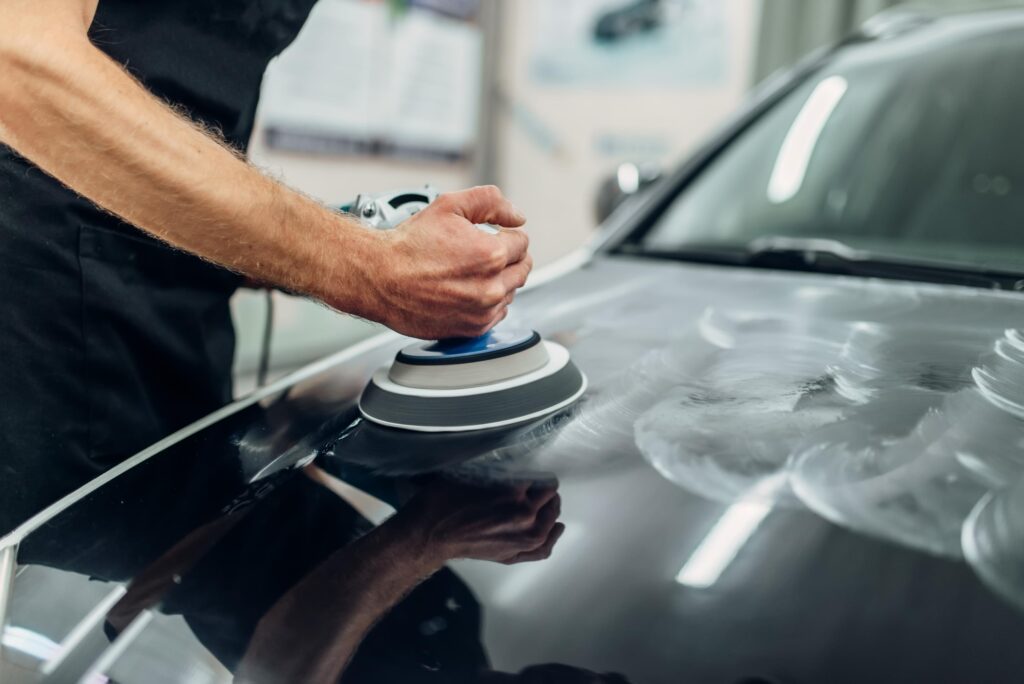
A multi-stage machine polishing process that removes swirl marks and scratches permanently.
Polishing and Compounding
Used to restore gloss and remove oxidation layers safely.
Ceramic Coating and PPF
Once corrected, protection is key. Ceramic coating adds gloss and durability, while PPF offers physical impact protection.
How to Prevent Future Paint Defects
-
Use the two-bucket wash method
-
Wash with clean microfiber towels
-
Avoid automatic car washes
-
Apply ceramic coating or wax
-
Park in shaded areas
Prevention is always cheaper than correction.
Choosing the Right Car Detailing Expert
Look for:
-
Experience and certifications
-
Real customer reviews
-
Proper equipment
-
Transparent processes
A skilled detailer preserves paint thickness while restoring shine.
Conclusion
Swirl marks, scratches and oxidation are inevitable, but they’re not permanent. Understanding these paint defects empowers you to take timely action. With proper care, professional paint correction and long-term protection, your car can look showroom-fresh for years. Treat your car’s paint well—it reflects how well you care for your ride.
FAQs
1. Are swirl marks permanent?
No, swirl marks can be permanently removed through proper paint correction.
2. Can scratches be fully removed?
Light to medium scratches can be removed. Deep scratches may need repainting.
3. How long does paint correction last?
With proper care and coating, results can last several years.
4. Is oxidation reversible?
Yes, early-stage oxidation can be corrected with polishing.
5. How often should I protect my car’s paint?
Ideally once a year with ceramic coating or regular waxing every 3–4 months.