Introduction to Car Paint Protection Film (PPF)
If you love your car, you probably worry about scratches, stone chips, swirl marks and fading paint. That’s exactly where Car Paint Protection Film (PPF) comes into the picture. Despite its growing popularity, PPF is surrounded by half-truths and outdated beliefs.
Let’s be honest—when something sounds “too good,” people get skeptical. Is PPF really worth it? Does it damage paint? Is it only for expensive cars? In this article, we’ll break down the most common myths about car PPF and replace them with facts you can trust.
What Exactly Is Car PPF?
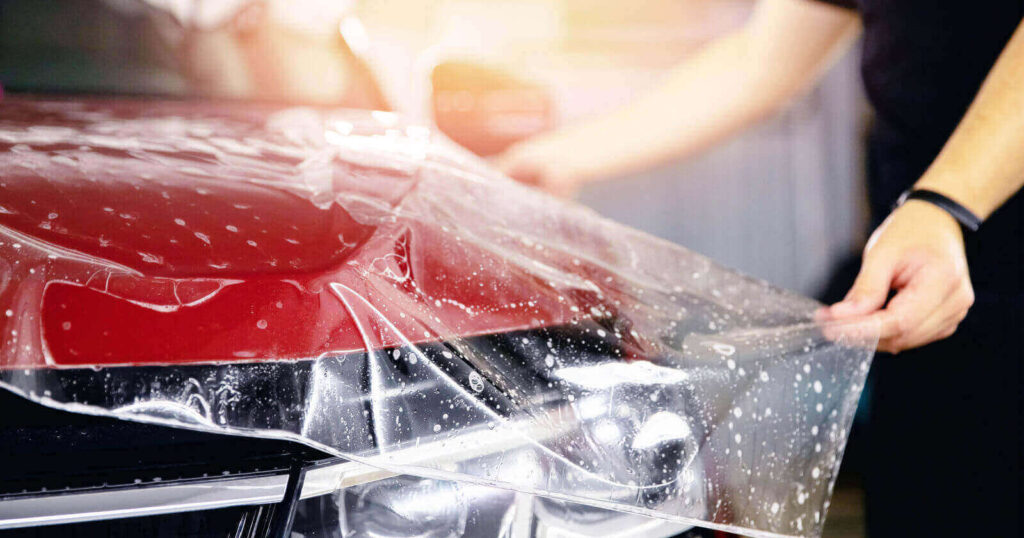
Car PPF is a transparent, durable polyurethane film applied to your car’s painted surfaces. Think of it like a screen protector for your phone—but much tougher. It shields your car from minor scratches, stone chips, bird droppings, UV rays and environmental contaminants.
Why PPF Is Gaining Popularity Among Car Owners
With Indian road conditions, unpredictable traffic and tight parking spaces, car paint damage is almost unavoidable. That’s why more car owners—especially in cities—are opting for PPF to protect their investment.
Myth #1 – Car PPF Is Only for Luxury Cars
Why This Myth Exists
PPF was initially popular among luxury and sports car owners, which led many people to assume it’s only meant for premium vehicles.
How PPF Benefits Everyday Cars
The truth? PPF is for anyone who wants to protect their car’s paint, whether it’s a hatchback, sedan or SUV. Even minor scratches can be expensive to fix. PPF helps you avoid frequent repainting and keeps your car looking newer for longer.
Myth #2 – PPF Will Ruin the Look of Your Car
Old PPF vs Modern PPF
This myth comes from early-generation PPF, which was thick, dull and poorly installed. Modern PPF technology has evolved massively.
Gloss, Matte and Stealth Finishes Explained
Today’s PPF enhances your car’s appearance. You can choose:
-
Gloss PPF for a showroom shine
-
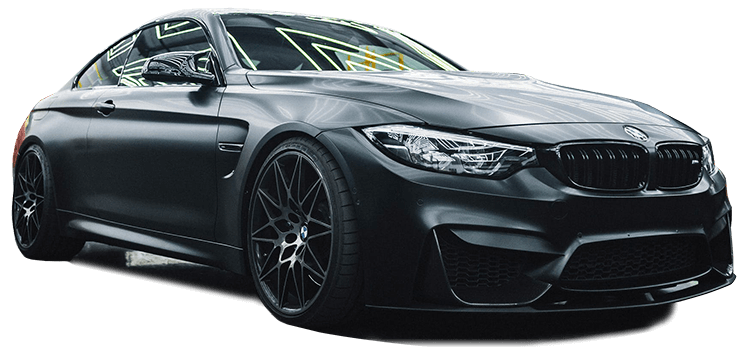
Matte or Stealth PPF for a premium satin look
When installed properly, PPF is almost invisible.
Myth #3 – PPF Turns Yellow Over Time
Causes of Yellowing in Early Films
Older films lacked UV resistance, causing them to yellow over time—especially in hot climates.
How Modern PPF Solves This Problem
High-quality PPF now comes with UV inhibitors and anti-oxidation layers, preventing yellowing for years. Always choose reputed brands and professional installers.
Myth #4 – PPF Is the Same as Ceramic Coating
Key Differences Between PPF and Ceramic Coating
This is one of the most common misconceptions.
-
PPF protects against physical damage (scratches, stone chips)
-
Ceramic coating protects against chemical damage (water spots, dirt, UV rays)
When to Choose One or Combine Both
For maximum protection, many car owners apply ceramic coating over PPF. It’s like wearing armor with a raincoat on top.
Myth #5 – PPF Is Too Expensive and Not Worth It
Cost vs Long-Term Savings
Yes, PPF has an upfront cost. But repainting panels, fixing scratches and maintaining resale value cost much more over time.
Resale Value and Paint Preservation
Cars with original, well-maintained paint fetch higher resale prices. PPF helps preserve factory paint, which buyers love.
Myth #6 – PPF Requires High Maintenance
Daily Care and Washing Tips
PPF doesn’t demand special care. Regular washing, avoiding harsh chemicals and basic maintenance are enough.
Durability and Self-Healing Properties
Most premium PPFs come with self-healing technology, meaning minor scratches disappear with heat—from sunlight or warm water.
Myth #7 – PPF Damages Car Paint When Removed
Correct Removal Process
When removed professionally, PPF does not damage original paint. In fact, it often reveals paint that looks brand new underneath.
Importance of Professional Installation
Poor-quality films or DIY removal can cause issues. That’s why professional installation matters.
Myth #8 – PPF Is Easily Noticeable
Seamless Edges and Precision Cuts
Modern installation uses computer-cut templates, ensuring clean edges and seamless coverage.
Trained Installers vs DIY Kits
A trained installer makes all the difference. A well-installed PPF is nearly invisible to the naked eye.
Who Should Consider Car PPF?
City Drivers
Frequent traffic, parking scratches and pollution make PPF ideal for city use.
Highway and Long-Distance Users
Stone chips and debris at high speeds can damage paint quickly. PPF acts like a shield.
New Car Owners
If your car is new, PPF is best applied early to keep it looking new for years.
Choosing the Right PPF Installer
Experience and Certifications
Always choose installers with proven experience and brand certifications.
Quality of Film Used
Not all PPFs are equal. Stick to trusted brands with warranty and proven performance. For more information on car protection standards, you can refer to resources like Autocar India for automotive insights.
Frequently Asked Questions About Car PPF
1. How long does car PPF last?
High-quality PPF can last anywhere between 5 to 10 years with proper care.
2. Can PPF be applied on repainted cars?
Yes, but the paint should be fully cured before application.
3. Does PPF protect against deep scratches?
PPF protects against minor scratches and stone chips, not severe accidents.
4. Can I wash my car normally after PPF?
Absolutely. Regular washing is safe once the film settles.
5. Is PPF removable?
Yes, PPF can be safely removed by professionals without harming the paint.
Conclusion – The Truth About Car PPF
Car PPF isn’t a gimmick—it’s a smart investment. Most myths around PPF come from outdated information or poor-quality installations. When done right, PPF protects your car, enhances its look, saves money in the long run and gives you peace of mind.
If you truly care about your car’s appearance and value, it’s time to look past the myths and focus on the facts.