Your car’s headlights do much more than light up the road. They protect you during night driving, improve visibility in rain or fog and make your vehicle look sharp and well cared for. Over time, however, many headlights turn cloudy, yellow, scratched or dull. This common issue reduces brightness and makes even a premium car look older than it really is. That’s where Headlight Restoration: Improving Visibility and Car Aesthetics becomes one of the smartest maintenance services for vehicle owners.
Modern headlights are usually made of polycarbonate plastic rather than glass. This material is strong and lightweight, but it is vulnerable to UV rays, pollution, dust, chemicals and harsh weather. In cities like Pune, where sunlight, traffic pollution and changing weather conditions are part of daily life, headlights can lose clarity faster than many drivers expect. When that happens, the beam becomes weaker, scattered and less effective at night.
Many car owners ignore this issue because it develops slowly. One day you suddenly realize your night vision is poor or your once-shiny car looks tired from the front. Headlight restoration solves both problems at once. It improves the look of the vehicle and enhances safety on the road.
This guide explains everything you need to know—from causes and warning signs to professional restoration benefits, maintenance tips and why timely action can save money over full replacement.
What Is Headlight Restoration?
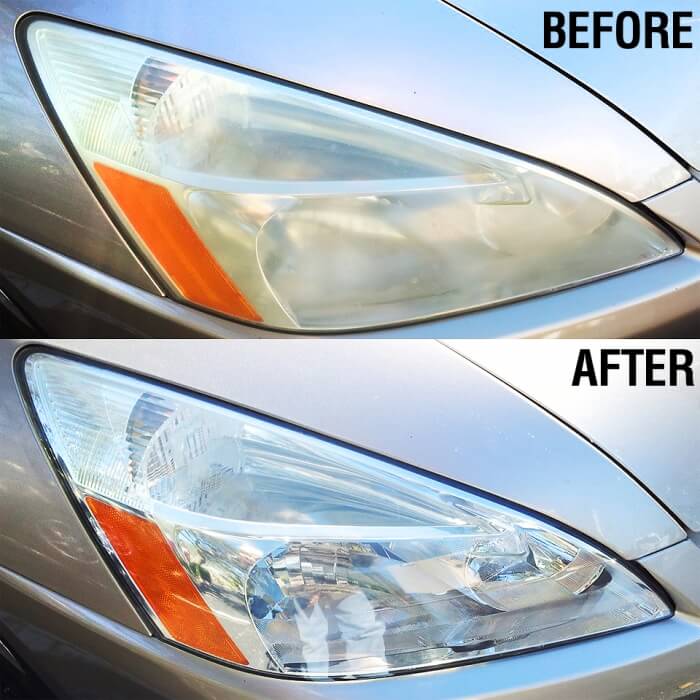
Headlight restoration is the process of bringing faded, oxidized, scratched or yellowed headlights back to a clearer and brighter condition. It is not just surface cleaning. Proper restoration removes damaged outer layers, smooths imperfections, polishes the lens and seals it with protection. The result is improved transparency, stronger light output and a refreshed vehicle appearance.
Many people think dirty headlights only need soap and water. Sadly, that’s like trying to wash away rust with shampoo. The real problem is usually oxidation. UV rays break down the protective coating on the lens. Once that layer weakens, the plastic begins to degrade. It becomes hazy and rough, reducing how much light can pass through.
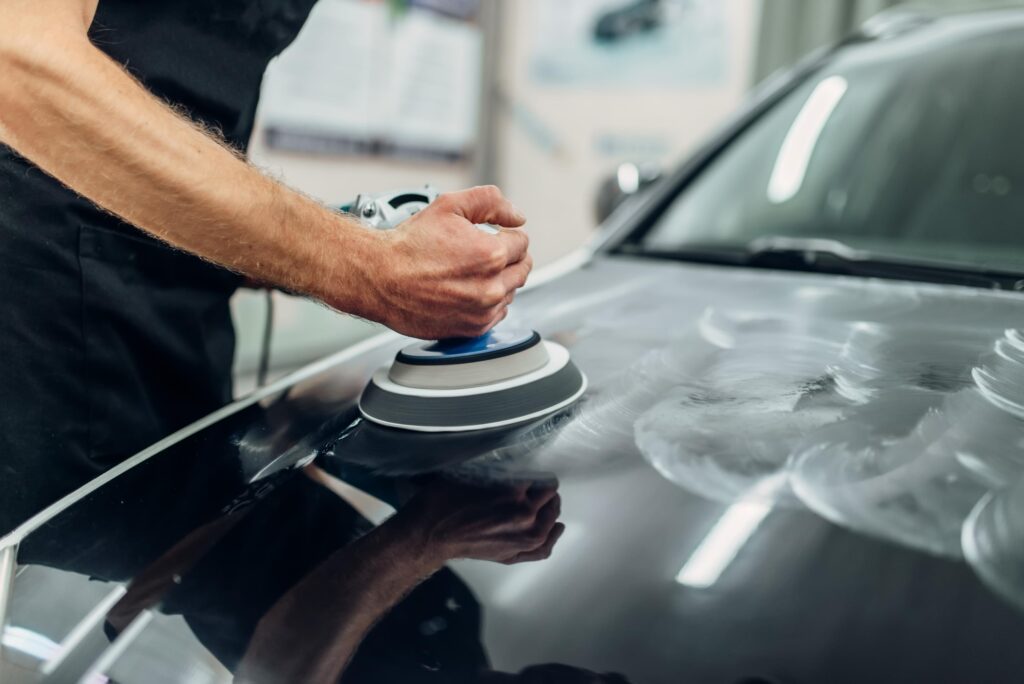
Professional restoration targets the root cause. Technicians use graded sanding, machine polishing, and UV-resistant coatings. This process can dramatically improve light clarity without replacing the entire headlight unit. Replacement can be expensive, especially for modern cars with projector lamps, LEDs, DRLs, and integrated electronics.
Restoration is often the best middle path. It costs less than replacement while delivering major visual and safety improvements. For owners who care about resale value, it is also a smart cosmetic upgrade. Clear headlights make a vehicle look newer and better maintained instantly.
Think of headlight restoration as giving eyeglasses a new lens. The light source may still be strong, but if the cover is cloudy, performance suffers. Restore the lens, and the vision returns.
Why Headlights Become Foggy and Yellow
Headlights rarely turn dull overnight. The damage happens slowly through daily exposure. Sunlight is one of the biggest causes. UV radiation attacks the clear coat on plastic lenses. Once that protection wears away, the surface begins oxidizing. This creates the familiar yellow or milky look seen on older cars.
Pollution also plays a role. Road grime, smoke, industrial particles, and oily residue settle on the lens surface. Over time, they bond with heat and create a stubborn film. In traffic-heavy areas, this process speeds up. Pune drivers who regularly travel through dusty roads or highways may notice faster fading.
Weather conditions matter too. Rain, humidity, heat, and temperature swings stress the headlight material. Water spots, mineral deposits, and micro-cracks may appear. During monsoon months, moisture can worsen visibility if headlights are already dull.
Physical abrasion is another hidden cause. Dust particles hitting the lens at speed act like sandpaper. Improper wiping with dirty cloths creates fine scratches. Cheap cleaning chemicals may also damage the protective layer.
Here is a simple breakdown:
| Cause | Effect on Headlights |
|---|---|
| UV Rays | Yellowing and oxidation |
| Pollution | Surface haze and stains |
| Dust & Abrasion | Scratches and dullness |
| Rain & Humidity | Spots and moisture wear |
| Poor Cleaning Methods | Premature damage |
Knowing the cause helps prevent repeat damage after restoration. A clear lens today can stay clear much longer with the right care.
The Link Between Visibility and Road Safety
Clear headlights are not just cosmetic. They are a safety feature. When lenses become cloudy, light output drops significantly. Even if your bulbs are working fine, the beam becomes weak and scattered. That means less distance visibility, poor edge illumination, and delayed reaction time while driving at night.
Imagine driving on an unlit road with foggy glasses. That is similar to driving with oxidized headlights. You may see shapes, but details appear late. Potholes, animals, cyclists, pedestrians, and road signs become harder to spot. In heavy rain or fog, the problem becomes even worse.
Drivers often respond by upgrading bulbs. But brighter bulbs behind a cloudy lens can only do so much. If the lens blocks light, the beam still suffers. In some cases, glare increases for oncoming traffic because light scatters unpredictably.
Headlight restoration can improve usable light performance dramatically. It allows the original beam pattern to work more effectively. This helps you see farther, react earlier, and drive with more confidence.
Safety benefits include:
- Better night-time road visibility
- Improved performance during rain and fog
- Clearer road sign reflection
- Faster hazard recognition
- Reduced eye strain on long drives
For families, daily commuters, and highway travelers, restored headlights are a practical safety upgrade. Many people spend on accessories but ignore the very lights that guide them home safely.
How Headlight Restoration Enhances Car Appearance
The front of a car is like its face. People notice headlights immediately. Even a clean, polished car can look neglected if the headlights are yellow or cloudy. On the other hand, clear headlights make the vehicle look fresher, sharper, and more premium.
This is why dealers often restore headlights before selling used cars. It creates an instant perception of better maintenance. Buyers naturally assume the owner cared for the vehicle. First impressions matter, and headlights are part of that visual story.
Restored headlights complement paint correction, ceramic coating, and detailing services. If your bonnet shines but headlights look tired, the finish feels incomplete. Once restored, the entire front end looks balanced and newer.
This is especially useful for:
- Selling your car
- Preparing for resale photos
- Post-detailing enhancement
- Restoring an older vehicle’s look
- Making a daily driver feel fresh again
Aesthetic improvement is often immediate. Many owners are surprised how much younger the car looks after a proper restoration.
Signs Your Car Needs Headlight Restoration
Cloudy Lens Surface
If the headlight lens looks milky, hazy, or dull in daylight, restoration is likely needed.
Reduced Night Visibility
If night driving feels darker than before, the lens may be blocking light.
Uneven Light Output
One side brighter than the other can signal oxidation differences or lens damage.
Other warning signs include yellow tinting, fine cracks, rough texture, and water marks. If polishing by hand gives only temporary shine, deeper restoration is usually required.
DIY vs Professional Headlight Restoration
DIY kits are popular because they seem affordable. Some can improve light haze temporarily. But results often depend on technique, patience, and correct finishing. Many users skip UV protection, causing headlights to fade again quickly.
Professional services use better tools, controlled sanding methods, machine polishing, and durable coatings. They also inspect for internal issues like moisture or cracks. That means longer-lasting results and a cleaner finish.
| Factor | DIY Kit | Professional Service |
|---|---|---|
| Cost | Lower upfront | Moderate |
| Finish Quality | Variable | High |
| Durability | Short to medium | Longer |
| Risk of Mistakes | Higher | Lower |
| Time Required | Personal effort | Convenient |
If the headlights are heavily oxidized, professional treatment is usually worth it.
Step-by-Step Headlight Restoration Process
Cleaning and Inspection
The lens is cleaned thoroughly. Technicians inspect scratches, oxidation level, and any cracks.
Sanding and Polishing
Multiple sanding stages remove damaged layers. Then polishing restores clarity and gloss.
UV Protective Coating
A protective layer is applied to slow future oxidation. This is crucial for longevity.
Benefits of Professional Restoration
Professional headlight restoration offers:
- Better night safety
- Improved car appearance
- Lower cost than replacement
- Increased resale value
- Longer-lasting clarity
- Proper UV protection
For users in Pune, GlossZilla Car Detailing Studio can be a relevant local option for professional automotive cosmetic care.
Cost Comparison: Restoration vs Replacement
Replacement headlights for premium or modern vehicles can be expensive. Some assemblies cost many thousands of rupees each. Restoration often costs a fraction of that while delivering strong visual and functional gains.
How to Maintain Restored Headlights
Use gentle car shampoo, microfiber cloths, and periodic wax or sealant safe for plastics. Avoid harsh cleaners and dry wiping. Park in shade when possible.
FAQs
1. How long does headlight restoration last?
Usually 1 to 3 years depending on coating quality, sun exposure, and maintenance.
2. Can deep scratches be removed?
Many surface scratches can be improved. Very deep internal damage may need replacement.
3. Is restoration better than replacing bulbs?
If the lens is cloudy, yes. Clear lenses often improve light output more than bulb upgrades alone.
4. Can I wash the car after restoration?
Yes, but follow the technician’s curing instructions for coatings.
5. Will it help resale value?
Yes. Clear headlights improve appearance and buyer confidence.
6. Is it safe for all cars?
Most modern plastic headlight lenses can be restored professionally.
Conclusion
Headlight Restoration: Improving Visibility and Car Aesthetics is one of the most practical upgrades a vehicle owner can choose. It improves night driving safety, sharpens the overall look of the car, and saves money compared to replacement. Clear headlights are not just attractive—they are functional protection on every drive.
If your headlights look cloudy, yellow, or weak, acting early is smart. A professional restoration can bring back confidence, clarity, and curb appeal in a single service.
Lorem ipsum dolor sit amet, consectetur adipiscing elit. Ut elit tellus, luctus nec ullamcorper mattis, pulvinar dapibus leo.