
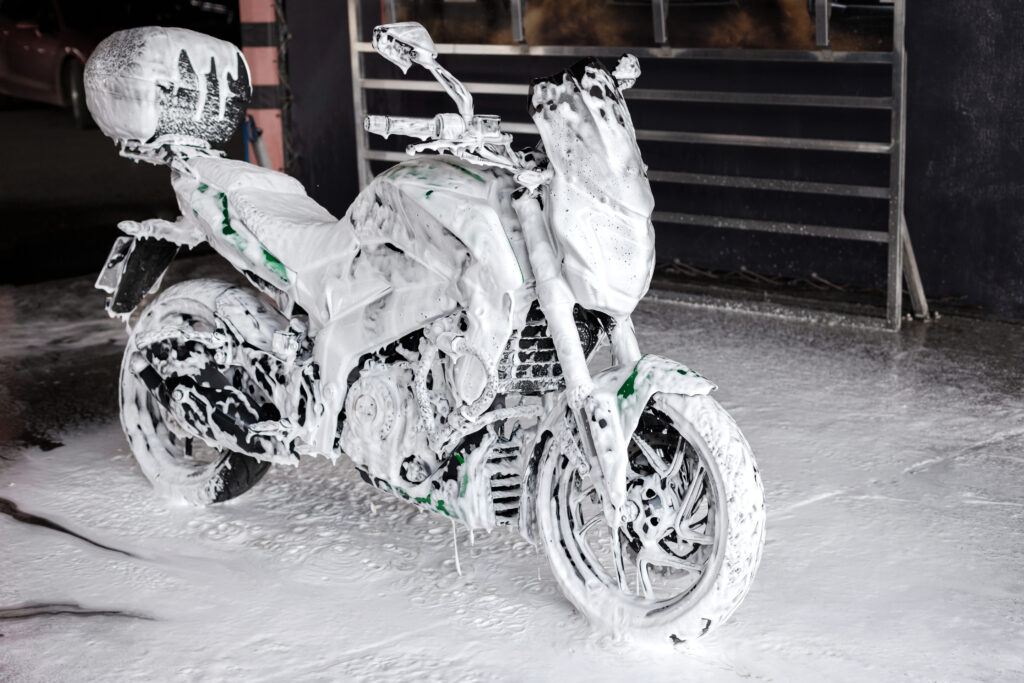
Tips for Maintaining Your Bike During the Monsoon in Pune
Riding a bike during the monsoon in Pune is a completely different experience. The cool breeze, fresh smell of rain and scenic roads make it enjoyable—but at the same time, it’s one of the harshest seasons for your bike. If you’re not careful, the combination of water, mud, humidity and poor road conditions can silently damage your vehicle. That’s exactly why understanding the right tips for maintaining your bike during the monsoon in Pune is not just helpful—it’s essential.
Think of your bike like your own body. Just like you need extra care during seasonal changes, your bike also needs special attention during monsoons. Rainwater doesn’t just wash over your bike—it seeps into joints, washes away lubrication and leaves behind dirt and moisture that lead to rust and wear. Over time, this can reduce performance, increase maintenance costs and even compromise your safety.
Here’s the reality: most bike owners only react when a problem appears. But monsoon maintenance is all about prevention. If you follow the right practices consistently, you can avoid 80% of common issues like rusting, brake failure, poor grip and electrical problems.
In this detailed guide, we’ll break down practical, easy-to-follow and highly effective tips for maintaining your bike during the monsoon in Pune. Whether you ride daily for work or occasionally for leisure, these tips will help you keep your bike smooth, safe and reliable—even in heavy rains.
Why Monsoon Is Tough on Bikes in Pune
Before jumping into solutions, let’s understand the problem. Why exactly is monsoon so damaging for bikes?
Effects of Rain, Mud and Humidity
Rainwater alone isn’t the only issue. It’s the combination of water, mud and humidity that creates trouble. When you ride through wet roads, mud splashes onto critical components like the chain, engine and brakes. This mud contains dirt particles that increase wear and tear.
At the same time, moisture in the air accelerates corrosion. Metal parts start rusting faster, especially if they are not properly protected. Over time, this can affect performance and reduce the lifespan of your bike.
Pune’s Unique Road and Weather Challenges
If you live in Pune, you already know the situation—potholes, waterlogging and uneven roads are common during monsoons. These conditions increase the stress on your bike’s suspension, tyres and braking system.
Riding through waterlogged roads can even allow water to enter sensitive components, leading to long-term damage. That’s why maintenance isn’t optional—it’s a necessity.
Essential Pre-Monsoon Bike Preparation
Preparation is everything. If you get your bike ready before the rains begin, you’ll save yourself from major headaches later.
Servicing Your Bike Before Rain Starts
A complete service before monsoon is one of the smartest decisions you can make. Regular servicing ensures that all parts are functioning properly and reduces the chances of sudden breakdowns.
During servicing, mechanics check oil levels, brake condition, chain health and electrical systems. This helps identify issues early.
Inspecting Critical Components
Focus on key components like tyres, brakes, battery and chain. These are the most affected parts during monsoon.
A quick inspection can reveal worn-out tyres, weak brakes or loose wiring—all of which can become dangerous in rainy conditions.
Tyre Care for Better Grip and Safety
Tyres are your only contact with the road. During monsoon, their role becomes even more critical.
Ideal Tread Depth and Pressure
For safe riding on wet roads, tyre tread depth should be more than 2 mm to ensure proper grip and water dispersion.
Low tread means higher chances of skidding, especially on slippery roads.
Avoiding Skidding on Wet Roads
Maintain proper tyre pressure and avoid sudden acceleration or braking. Wet roads reduce traction and even small mistakes can lead to accidents.
Brake Maintenance in Rainy Conditions
Brakes behave differently in rain and ignoring them can be risky.
Checking Brake Pads and Discs
Rainwater reduces braking efficiency. Regular cleaning and inspection of brake pads and discs are essential.
Safe Braking Techniques
Avoid sudden braking. Instead, apply brakes gradually and maintain safe distance from other vehicles.
Chain Care and Lubrication
The chain is one of the most vulnerable parts during monsoon.
Cleaning Mud and Dirt Build-up
Mud and water wash away lubrication and increase friction. Regular cleaning prevents damage.
Proper Lubrication Techniques
Lubricate the chain frequently to maintain smooth operation and prevent rust.
Protecting Electrical Components
Water and electricity don’t mix well and your bike has several electrical parts.
Battery and Wiring Safety
Check for exposed wires and protect battery terminals with grease to prevent corrosion.
Preventing Short Circuits
Ensure proper insulation and avoid riding through deep water.
Preventing Rust and Corrosion
Rust is one of the biggest enemies during monsoon.
Anti-Rust Coatings
Applying anti-rust spray on metal parts helps protect them from moisture.
Drying and Cleaning After Every Ride
Always wipe your bike dry after riding in rain. Leaving it wet accelerates corrosion.
Smart Parking and Storage Tips
Where and how you park your bike matters more than you think.
Covered Parking Importance
Parking your bike in a covered area prevents direct exposure to rain and reduces the risk of rust and electrical damage.
Using Bike Covers Correctly
Use a cover only after the bike is dry. Covering a wet bike traps moisture and can worsen rusting.
Conclusion
Maintaining your bike during monsoon in Pune isn’t complicated—it just requires consistency and awareness. By following these practical and proven tips for maintaining your bike during the monsoon in Pune, you can avoid common issues like rust, poor braking and reduced performance.
Think of it this way: a little effort today saves you from big expenses tomorrow. Regular cleaning, proper lubrication, timely servicing and smart riding habits can keep your bike running smoothly throughout the rainy season.
FAQs
1. How often should I clean my bike during monsoon?
Ideally, after every ride in heavy rain or at least twice a week.
2. Is it necessary to lubricate the chain frequently?
Yes, because rain washes away lubrication quickly.
3. Can rain damage bike electronics?
Yes, especially if wiring is exposed or insulation is weak.
4. What is the ideal tyre tread for monsoon?
Minimum 2 mm for safe grip on wet roads.
5. Should I avoid riding in heavy rain?
If possible, yes—especially during waterlogging.
