
Introduction
You just bought your dream car. It’s sleek, shiny and fresh out of the showroom. But the thought of scratches, bird droppings, road debris or fading paint is enough to give you sleepless nights, right? That’s exactly where Paint Protection Film (PPF) steps in.
So, what is this magical shield everyone’s talking about? Let’s dive deep into the world of PPF and why it’s becoming a go-to solution for car enthusiasts and everyday drivers alike.
Understanding the Basics of PPF
Definition and Composition of PPF
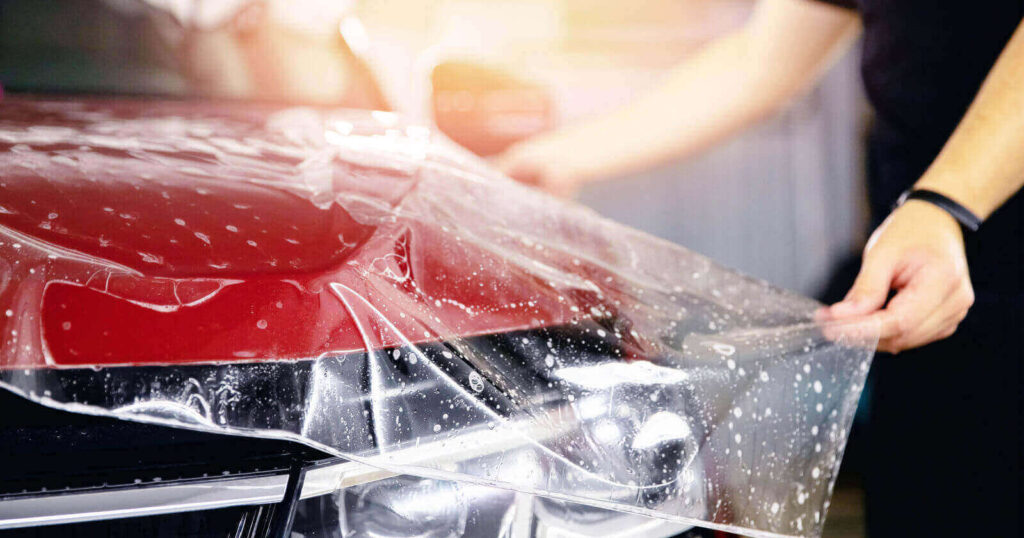
Paint Protection Film is a transparent, flexible and ultra-durable urethane film that is applied over your car’s paint. It acts like an invisible armor that shields the paint from chips, scratches and environmental damage.
History and Evolution of PPF
Originally developed by the U.S. military during the Vietnam War to protect helicopter rotor blades from flying debris, PPF has come a long way. Today, it’s a high-tech solution trusted by luxury car owners and regular drivers alike.
How Does Paint Protection Film Work?
Science Behind PPF Protection
PPF works by absorbing the impact of small rocks, sand and other road debris. It forms a protective barrier between the harmful elements and your car’s precious paint.
Self-Healing Technology Explained
Modern PPF comes with self-healing properties. Minor scratches and swirl marks disappear when exposed to heat (sunlight or hot water). It’s like magic—just a little heat and the film regenerates itself!
Types of Paint Protection Films
Glossy PPF
Ideal for enhancing shine while offering protection. It retains the glossy finish of your car.
Matte PPF
Perfect for those who love a stealthy, unique look. Matte PPF protects and transforms your car’s finish.
Satin and Custom Finishes
These offer a middle-ground with a silky smooth look, ideal for luxury and exotic cars.
Benefits of Using PPF on Your Vehicle
Scratch and Chip Resistance
PPF acts like a bodyguard—shielding your car from annoying scratches, rock chips and minor abrasions.
UV Protection
It also blocks harmful UV rays, preventing the paint from fading or oxidizing over time.
Maintains Showroom Shine
PPF preserves the gloss and freshness of your paint job for years.
Increases Resale Value
A well-maintained exterior can increase your vehicle’s resale value significantly.
Where Can You Apply PPF on a Car?
Full Body Protection
For complete peace of mind, full-body PPF is the best option.
Partial PPF Coverage Options
Cost-conscious? You can go for partial coverage, protecting only the most vulnerable parts.
High-Impact Zones
Focus on bumpers, hood, side mirrors, door edges—areas prone to damage.
PPF vs Ceramic Coating
Differences in Application and Function
-
PPF is a physical barrier that protects against impact.
-
Ceramic Coating is a chemical sealant that offers hydrophobic and UV resistance but doesn’t stop rock chips.
Can You Use Both Together?
Absolutely! In fact, applying ceramic coating over PPF enhances the film’s durability and makes cleaning a breeze.
PPF Installation Process
Step-by-Step Breakdown
-
Thorough Wash and Decontamination
-
Paint Correction (if needed)
-
Precise Cutting and Fitting of PPF
-
Application Using Slip Solution
-
Squeegeeing Out Air Bubbles
-
Final Curing and Inspection
Time Required
Depending on coverage, installation can take 6 to 48 hours.
Common Myths About PPF
“PPF Damages Your Car Paint”
Wrong! PPF actually protects your original paint. In fact, it’s completely removable without damaging the surface.
“PPF Turns Yellow Quickly”
Not true with high-quality films. Premium brands offer non-yellowing films with UV-resistant properties.
How Long Does PPF Last?
Lifespan of Quality PPF
Top-tier PPF brands last 5 to 10 years, sometimes even more with proper care.
Factors That Affect Durability
-
Quality of film
-
Installation expertise
-
Environmental conditions
-
Maintenance routine
Maintenance and Care Tips for PPF
How to Wash Your PPF-Coated Car
-
Use pH-neutral shampoos
-
Avoid high-pressure jets at close range
-
Hand wash preferred
Things to Avoid
-
Harsh chemicals
-
Automatic car washes
-
Aggressive scrubbing
Cost of Installing PPF
Price Range in India and Globally
In India, prices range from ₹25,000 to ₹2,00,000+ depending on coverage and brand.
What Affects Pricing?
-
Car size
-
Coverage area
-
Film quality
-
Installer experience
Is PPF Worth the Investment?
If you love your car and plan to keep it long-term, PPF is worth every penny. It saves you future paint correction costs and keeps your ride looking like new.
Choosing the Right PPF Installer
What to Look for in a Professional
-
Experienced installer
-
Warranty-backed products
-
Clean and well-equipped studio
-
Verified customer reviews
Importance of Experienced Installers
PPF installation is an art. A bad job can leave bubbles, peeling edges and wasted money.
Conclusion
Paint Protection Film is like a superhero cape for your car—it quietly protects without changing its looks. From resisting scratches to preserving that fresh-off-the-lot shine, PPF does it all. Whether you drive a luxury sedan, a rugged SUV or your first hatchback, PPF ensures your car stays beautiful for years to come.
FAQs
1. Does PPF affect paint color?
Nope! PPF is crystal clear and won’t change your paint’s color. In fact, it enhances it!
2. Can PPF be removed?
Yes, it can be safely removed without damaging the original paint—if done professionally.
3. Is PPF legal in India?
Yes, PPF is 100% legal across India. It doesn’t interfere with vehicle registration or compliance.
4. Does PPF protect from rust?
It prevents paint damage that can lead to rust, but it won’t stop existing rust from spreading.
5. Can I install PPF myself?
Technically yes, but it’s highly recommended to get it installed professionally to avoid bubbles, peeling and misalignment.
